STREAMLINING CONSTRUCTION PROJECT APPROVALS (SC, GA, NC, LA, TEX, AND FL)
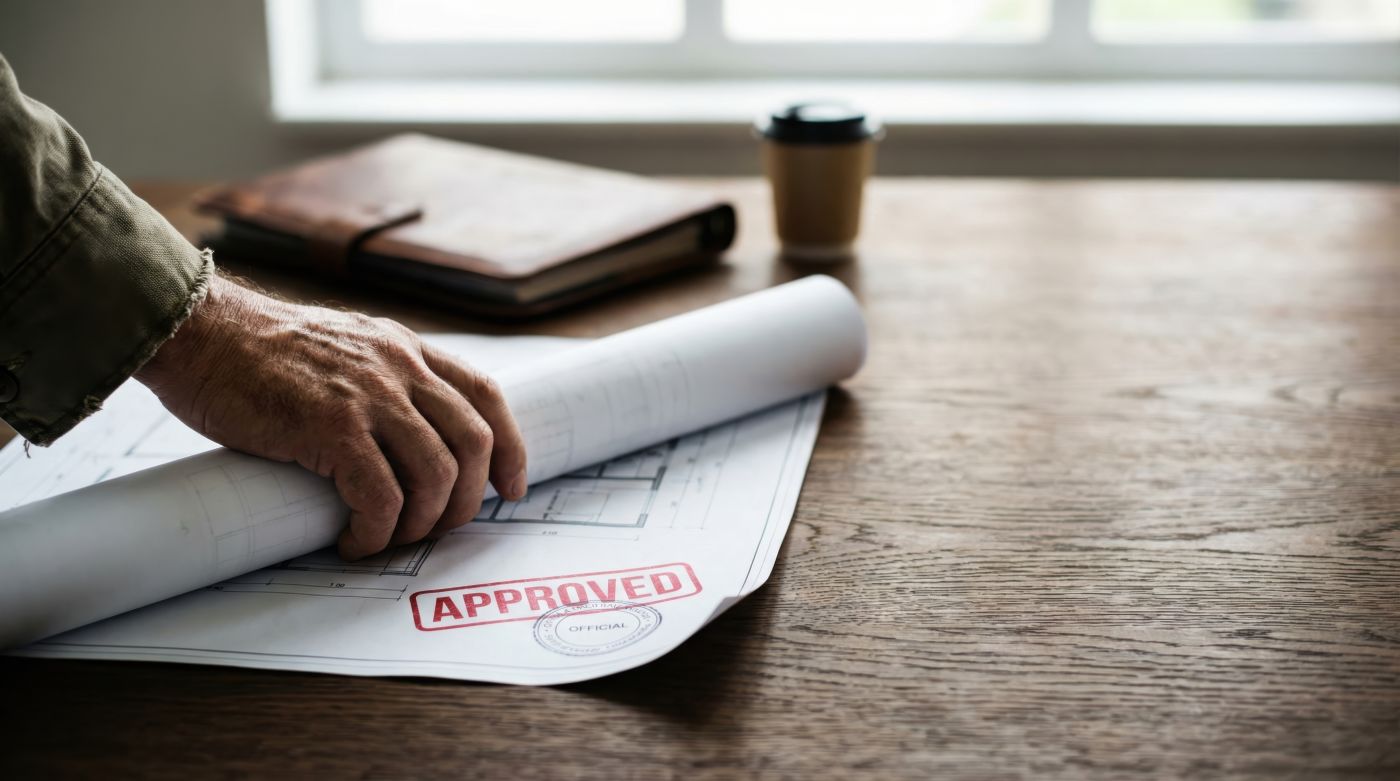
Construction approvals require careful coordination of zoning, permitting, and compliance with applicable local, state, and federal requirements. FORENSIC ARCHITECT - David Erik Chase, AIA, helps project stakeholders address architectural and documentation issues that may affect the construction project approval process.
With more than 20 years of experience as a forensic architect, construction expert witness, and arbitrator, along with 55 years as a registered practicing architect, Mr. Chase brings substantial knowledge to the review of construction plans and project concerns. With offices serving Palm Beach, Florida, and Hilton Head, South Carolina, Mr. Chase works on matters in South Carolina, Georgia, North Carolina, Louisiana, Texas, and Florida.
Each state has its own building codes, environmental requirements, and administrative procedures. Zoning laws and permitting practices can also vary by county and municipality. Project stakeholders must determine which requirements apply to the property, proposed use, design, and scope of construction before work begins. For example, Florida projects may be subject to wind-load, flood-zone, and coastal construction requirements because of the state’s exposure to hurricanes and severe weather. Certain Texas projects may require additional consideration of expansive soils, drainage, or foundation design, depending on the site and local conditions.
The multistep approval process adds another challenge. A project may require zoning clearance, building permits, environmental approvals, utility coordination, or historic-preservation review. The order and extent of these reviews depend on the project and jurisdiction. An oversight or failure to satisfy an applicable requirement may lead to additional review, redesign, or project delays. Early preparation and coordination can help project teams identify potential obstacles before they interfere with the construction schedule.
With detailed planning and preparation, developers and other project stakeholders can reduce avoidable complications during construction approvals. Mr. Chase identifies several strategies that may help teams address issues before submission.
Before beginning a project, developers should identify applicable zoning ordinances, building codes, site restrictions, and approval requirements. The planning phase may also involve determining whether the project requires a variance, environmental review, floodplain approval, or evaluation by a local design board.
Consulting qualified professionals early can help developers identify conflicts between the proposed design and applicable requirements. Mr. Chase can review architectural plans and project documents for issues that may create complications during approval or construction.
Clear communication with permitting authorities can help project teams confirm submission requirements and respond to concerns. Depending on the jurisdiction, developers may have opportunities to discuss the project with building officials, inspectors, city planners, or other agency representatives before filing a formal application. Significant communications should be documented, particularly when an official requests revisions or additional information. Maintaining a clear record of comments and responses can reduce misunderstandings and help the project team track outstanding issues.
Each jurisdiction presents different building, environmental, and site-related considerations. Coastal areas in South Carolina, Georgia, Louisiana, and Florida, for example, may impose requirements related to floodplain management, stormwater control, erosion control, wind resistance, or elevated construction.
Qualified architects, engineers, environmental consultants, land-use professionals, and attorneys may each have a role, depending on the issue. Mr. Chase’s experience as a forensic architect and construction expert witness enables him to evaluate architectural issues and identify concerns that may require further professional review.
Accurate documentation is essential when seeking construction approvals. Project teams should confirm that drawings, specifications, engineering studies, surveys, calculations, and supporting reports are complete and consistent before submission.
Conflicting dimensions, outdated drawings, missing details, or incomplete applications may lead to requests for additional information. A coordinated review can identify gaps before the permitting authority begins its evaluation. Mr. Chase emphasizes careful document preparation as a practical way to reduce avoidable approval obstacles.
The regulatory environments of South Carolina, Georgia, North Carolina, Louisiana, Texas, and Florida reflect regional differences that require individual consideration. State building codes establish a general framework, but local governments frequently administer zoning, permitting, floodplain, stormwater, and land-development requirements.
Coastal projects in South Carolina and Georgia may require attention to stormwater management, erosion control, flood zones, and local development standards. North Carolina projects may involve state building and energy provisions in addition to municipal planning requirements.
Louisiana properties can present issues related to wetlands, drainage, flooding, and state or federal environmental review. In Texas, soil conditions, municipal growth, drainage, and infrastructure capacity may influence design and approval requirements. Florida projects may require additional attention to hurricane resistance, coastal construction, and flood-related standards.
Requirements vary within each state, so project teams should evaluate the specific municipality, site, and type of construction rather than relying on a general statewide approach.
FORENSIC ARCHITECT - David Erik Chase, AIA, provides architectural consulting and forensic services from offices serving Palm Beach, Florida, and Hilton Head, South Carolina. Mr. Chase can review plans, specifications, reports, and project records to identify architectural or documentation issues that may affect approval or construction.
His work may extend beyond the approval process. When disagreements arise over construction delays, design concerns, or alleged defects, Mr. Chase can evaluate the relevant documents and physical conditions. He also serves as a construction expert witness and arbitrator in appropriate matters.
By identifying architectural concerns early, project stakeholders may have more time to address them before they lead to revisions, delays, or disputes. Mr. Chase’s combined experience as a practicing and forensic architect provides a practical perspective on design, documentation, and construction administration.
Streamlining construction project approvals requires preparation, accurate documentation, and coordination among the professionals and agencies involved. Developers should identify applicable requirements early, maintain organized records, and respond carefully to agency comments.
FORENSIC ARCHITECT - David Erik Chase, AIA, works with project stakeholders on architectural and construction-related matters in South Carolina, Georgia, North Carolina, Louisiana, Texas, and Florida. Contact Mr. Chase to discuss architectural review, project documentation, or a construction dispute.
Disclaimer: David Erik Chase, AIA, is a registered architect in 22 states and not an attorney. The content of this article is intended only as a general overview of the process and not a representation for guidance or any legal professional opinions or advice. (Nb. Legal consultation is always advisable in this entire process.)